HubDB Architecture
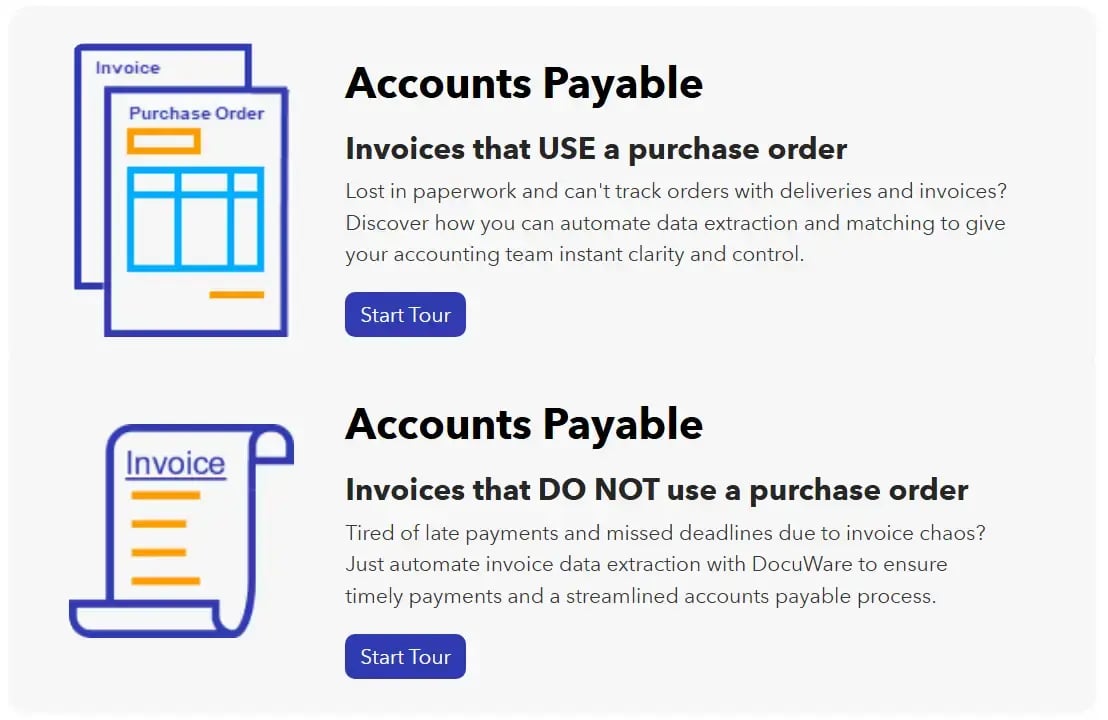
Replaced static, one-off product demos with a structured HubDB system that stores partner-specific content, branding, and localization data in a centralized schema.
Case Study
HubDB-powered content system with advanced filtering
Developed a dynamic HubSpot + HubDB system that delivers partner-specific, multi-language product tours through a single scalable architecture.
The Problem
DocuWare’s partner network drives the majority of revenue, but partners lacked a consistent, scalable way to present product value in a localized and branded format.
Sales demos were inconsistent, time-consuming, and difficult to maintain across regions and languages.
What I Built
Replaced static, one-off product demos with a structured HubDB system that stores partner-specific content, branding, and localization data in a centralized schema.
Built dynamic page rendering using HubL and HubDB, allowing each partner to generate a fully customized product tour via URL-based configuration.
Implemented a flexible localization layer supporting 6 languages, enabling global partners to deliver region-specific sales experiences without duplicating content.
Stack
Impact
Gave partners a ready-to-use, high-quality sales tool they could deploy instantly without needing custom development.
Ensured consistent product messaging across regions while still allowing localized language and positioning.
Eliminated the need to manually build and maintain separate demos for each partner or region.
Supported DocuWare’s partner-driven revenue model by creating a system that scales with partner growth.
Takeaway
This project transformed product demos from static assets into a dynamic, partner-driven platform.
By combining HubDB, HubL, and a modular architecture, I created a system that balances control and flexibility — allowing global partners to sell more effectively without increasing internal complexity.
The result is not just a better user experience, but a scalable sales enablement system aligned with how the business actually grows.